In Beverly Hills, jewelry is never just jewelry. A bracelet can carry a family story, a ring can mark a turning point, and a diamond necklace can sit in a safe for years before someone decides it deserves a new chapter. That is why the market for sellers is so distinctive here: people are not only parting with luxury pieces, they are looking for discretion, credibility, and a fair number they can trust.
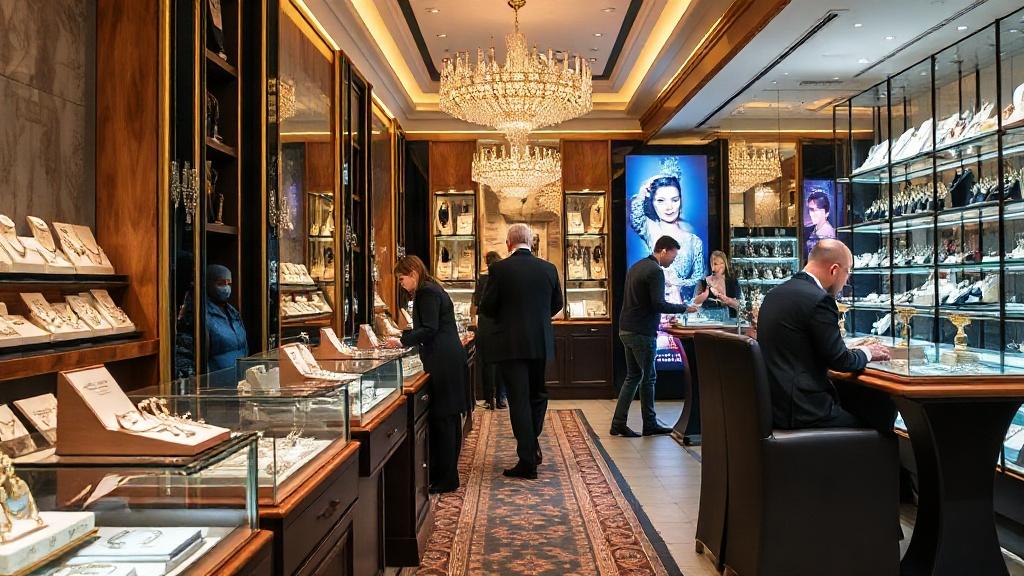
Fine jewelry buyers in Beverly Hills work in a space where taste, value, and privacy all matter at once. The best ones understand that a seller may be comparing offers, untangling an estate, or simply deciding that a piece no longer fits their life. The process should feel calm and informed, not rushed or theatrical.
Why Beverly Hills attracts serious jewelry sellers
Beverly Hills has a concentration of high-end jewelry, luxury retailers, estate collections, and private buyers that you won’t find just anywhere. That makes it a natural place for people to sell pieces that are substantial in both craftsmanship and value. It also means sellers often arrive with strong expectations, and for good reason.
In this market, a buyer can’t rely on vague praise or vague promises. People bringing in 18-karat gold, signed designer pieces, vintage diamonds, or antique gemstones usually already have a sense that what they own is worth attention. They want a buyer who can explain how value is determined, not just name a number and wave them toward the door.
There is also the matter of trust. High-value jewelry can be emotionally loaded, especially if it came from a marriage, an inheritance, or a career milestone. Sellers often want a private, low-pressure experience that gives them room to think. Beverly Hills buyers who do this well tend to understand that the transaction begins long before the price discussion.
What buyers look at first
The first glance matters, but it is only the beginning. A reputable buyer examines the piece closely for metal quality, gemstone characteristics, workmanship, brand significance, and condition. A ring that looks simple at a distance may contain a beautifully cut center stone, and a bracelet with modest materials may still command attention if it is signed by a sought-after house.
Condition plays a real role, but it is not always decisive. Light wear, a missing clasp, or a scratched surface may affect the offer, yet the underlying value can still be strong if the materials and design are compelling. Buyers in this area often see pieces that have been stored for years, so they know to separate age-related wear from structural damage.
Documentation helps, but it is not everything. Original receipts, certificates, appraisals, and brand boxes can support a sale, especially for designer jewelry or high-grade diamonds. Still, an informed buyer should be able to evaluate a piece independently rather than leaning entirely on paper.
The main value factors
Several elements tend to drive pricing in the fine jewelry market. None works alone, and the balance between them can shift from piece to piece. A small but rare stone may outshine a larger one, while a heavier piece of gold may be more valuable for its metal content than for its design.
- Metal type and purity, such as platinum, 18-karat gold, or 14-karat gold
- Diamond quality, including cut, color, clarity, and carat weight
- Colored gemstone rarity, origin, and treatment history
- Brand or designer name, especially for recognizable luxury houses
- Overall condition, repairs, and originality of parts
- Current market demand for the style or category
That list is a starting point, not a script. Two pieces with similar materials can produce very different offers because one is more desirable to resell, easier to place in inventory, or more important as a collectible. Good buyers know where the market is active and where it is quiet.
How the best buyers in Beverly Hills operate
The strongest buyers tend to move with a mix of polish and precision. They inspect carefully, explain their thinking clearly, and avoid making the seller feel like they are standing in a sales pit. In Beverly Hills, presentation matters, but substance matters more. A velvet-lined office means nothing if the evaluation is sloppy.
Transparency is usually the clearest sign of quality. If a buyer can show how they reached an offer, point out the stone grading factors they relied on, and distinguish melt value from retail replacement value, that is a good sign. It doesn’t mean every offer will satisfy every seller, but it does mean the process is grounded in something real.
Speed can be helpful, especially when someone needs liquidity or is managing an estate. Still, speed should not replace care. The best buyers can work efficiently without making the seller feel squeezed. That balance is especially important in a market where a single piece might be worth more than an entire used car collection.
What a respectful evaluation feels like
A good evaluation should feel orderly. The buyer asks a few direct questions, examines the piece under proper lighting, checks the clasp, mount, hallmarks, and stone settings, and then explains what they found. The seller should not need to guess whether the person in front of them actually understands jewelry.
Respect also means acknowledging uncertainty when it exists. Not every stone can be identified instantly, and not every signature is easy to verify on the spot. Honest buyers admit when they need a testing step or a little time to confirm details. That kind of candor usually inspires more confidence than a quick, overly certain answer.
I’ve seen transactions go far more smoothly when the buyer treats the piece like an object of value rather than a problem to be solved. That shift in tone changes everything. It makes the room feel less transactional and more professional, which is exactly what many sellers in Beverly Hills are looking for.
Why brand names can matter so much
In a market like Beverly Hills, a signature can dramatically affect price. Pieces from Cartier, Van Cleef & Arpels, Tiffany & Co., Harry Winston, Bulgari, and similar names often carry stronger resale appeal than unsigned jewelry with comparable materials. The brand can signal craftsmanship, design pedigree, and recognition among buyers who want something they can place quickly.
That said, not every branded piece is automatically valuable on the secondary market. Style, condition, age, and authenticity all matter. A dated design may not attract the same attention as a classic motif, even if it came from a top-tier house. Buyers who know this distinction are usually more reliable than those who simply chase the label.
Authenticity checks are essential. Hallmarks, serial numbers, manufacturing details, and packaging can support a claim, but counterfeits and altered pieces do exist. A serious buyer should know how to evaluate these details without making the seller feel accused of anything. The goal is verification, not suspicion for its own sake.
Signed pieces versus unsigned pieces
Signed jewelry often holds an edge because the market recognizes the maker immediately. It can be easier to price, easier to resell, and easier to market to a specific audience. The name itself adds a layer of confidence for many buyers downstream.
Unsigned jewelry can still be excellent, and in some cases the craftsmanship is exceptional. A beautifully made vintage ring or a well-cut stone in a custom mount may bring a strong offer if the materials are outstanding. The difference is that unsigned pieces usually rely more heavily on intrinsic value and less on brand recognition.
For sellers, this means it helps to understand what kind of piece they have before they walk in. A signed bracelet and an unsigned diamond bangle may both be valuable, but the logic behind the pricing can be quite different. That distinction is often where good buyers prove their worth.
The role of diamonds, gemstones, and metal value
Diamonds still dominate many fine jewelry transactions, but they are not the whole story. Emeralds, sapphires, rubies, and high-quality pearls can all command serious interest, especially when the color, provenance, or design is strong. In a luxury market, buyers have to be comfortable evaluating more than white stones.
Metal value offers a floor, though it is rarely the whole picture for a fine piece. Platinum and gold provide measurable weight-based value, but crafted jewelry is not the same as scrap metal. Buyers need to distinguish between what the materials are worth and what the finished object can fetch if placed with the right customer.
That distinction matters more than many sellers realize. A ring can be worth one amount based on melt value alone and a very different amount if the setting, stone, or name gives it resale leverage. The best buyers explain that gap plainly, because it is often where confusion begins.
Diamond grading in plain English
Diamond pricing often comes down to the familiar four Cs: cut, color, clarity, and carat weight. Yet those terms only mean something useful when they are applied carefully. Two stones with the same weight can differ widely in appeal depending on how they face up, how bright they look, and whether flaws are visible without magnification.
Cut is especially important because it affects how the stone returns light. A well-cut diamond can look more alive and larger than a heavier stone with poor proportions. Buyers who know what they’re doing don’t just recite grading terms; they connect those terms to the actual appearance of the diamond.
Certification from respected grading labs can help, but even then, the buyer should confirm that the stone matches the report and hasn’t been damaged or altered. In Beverly Hills, where many sellers have high expectations, those checks are part of the professional baseline.
Estate jewelry and inherited pieces
Estate jewelry has a different kind of energy. Sometimes it arrives in a velvet box with little paperwork and a long family history. Sometimes it comes as part of a broader estate after a loved one’s passing, and the seller is still sorting through both emotion and logistics. Buyers who understand this context are often the ones sellers remember.
Inherited pieces may include unusual settings, older cuts, or styles that no longer match modern taste. That doesn’t reduce their value automatically. In fact, some antique and vintage designs have gained stronger interest precisely because they are hard to find in contemporary production.
Still, estate sales can raise practical questions. Is the piece original? Has it been repaired? Are all the stones natural? Is the clasp secure enough for wear? A careful buyer can answer those questions or at least identify where more research is needed before a final offer is made.
When an estate piece needs extra scrutiny
Older jewelry may contain hand-cut stones, earlier hallmarks, or repair work that was done decades ago. That can make evaluation slower, but it can also make the piece more interesting. A Victorian brooch or an Art Deco ring may not fit the standard pricing model used for contemporary items.
Some estate pieces also carry sentimental value that doesn’t show up in the numbers. Sellers may want to know whether the item can be restored, repurposed, or retained in part rather than sold intact. A buyer who can speak candidly about those options adds real value to the conversation.
Practicality matters too. If the setting is fragile or the stones are loose, the buyer should note that clearly. A seller deserves to know whether the piece is ready for immediate transfer or needs work before it can be marketed responsibly.
Privacy and discretion matter more here than almost anywhere else
One reason sellers turn to Beverly Hills is the expectation of privacy. High-value jewelry transactions can feel exposed if handled carelessly. People often want a confidential appointment, a secure office, and a buyer who won’t turn the process into gossip or spectacle.
Discretion is not just a luxury feature; it is part of the service. Sellers may be downsizing, settling a private matter, or simply avoiding public attention. A buyer who understands that can make the experience feel far more comfortable.
Security also matters behind the scenes. Secure intake procedures, insured handling, clear documentation, and controlled viewing conditions all contribute to a smoother transaction. None of that should feel theatrical. It should feel normal, because for this kind of business, it is.
How to compare offers without getting lost in the noise
Comparing offers is one of the smartest things a seller can do, but it only works if the offers are actually comparable. One buyer may quote based on gold weight, another on resale potential, and a third on retail replacement thinking. Those are not the same framework, and mixing them up can create confusion fast.
It helps to ask each buyer what their offer includes and what assumptions they are making. Are they factoring in the diamond certificate? Do they see the piece as inventory-ready? Are they paying for brand name, or only for materials? The answers reveal more than the final number.
A seller should also be cautious with offers that arrive too quickly and without explanation. A high number can sound exciting, but if it disappears once the buyer inspects the piece more closely, it may not mean much. Reliable buyers can defend their pricing. They don’t need to hide behind vague enthusiasm.
A simple comparison checklist
When speaking with multiple buyers, a clean comparison can help keep emotions out of the process. The point is not to turn the sale into a spreadsheet contest. It is to understand what each buyer is actually offering and why.
Question | Why it matters |
What is the offer based on? | Shows whether the buyer is pricing for metal, stones, brand, or resale demand. |
How was the piece evaluated? | Reveals the depth and seriousness of the inspection. |
Is the offer immediate and final? | Clarifies whether there is room for follow-up or revision. |
Will the buyer explain deductions? | Helps the seller understand repairs, missing parts, or market adjustments. |
How is authenticity confirmed? | Important for designer and high-end pieces. |
That table won’t eliminate uncertainty, but it will sharpen it. The right buyer should be able to answer those questions in straightforward language. If the answers feel slippery, the offer probably does too.
Timing, market demand, and seasonal shifts
Jewelry pricing is not frozen in place. Demand changes with fashion trends, auction results, bridal cycles, and broader market conditions. What is easy to sell one season may sit longer the next. Buyers in Beverly Hills track that movement because it affects how aggressively they can bid.
Vintage styles can move in and out of favor. Yellow gold can surge after years of white-metal dominance. Certain gemstone colors become hotter when celebrities or designers spotlight them. Sellers don’t need to track every movement, but it helps to know that timing can influence the offer.
There are also practical timing issues. Some pieces sell better before major holidays, while others have stronger interest when buyers are preparing for weddings or special events. A knowledgeable buyer understands these cycles and adjusts accordingly.
Common mistakes sellers make
One of the biggest mistakes is assuming every buyer values the same things. A seller may focus on the retail price they saw years ago while the buyer is looking at wholesale recovery or current resale demand. Those numbers are related, but they are not interchangeable.
Another common problem is cleaning or altering the piece too aggressively before an evaluation. Harsh polishing can remove detail, disturb patina, or even damage delicate settings. If a piece is antique or signed, unnecessary cleaning can sometimes hurt more than help.
Sellers also sometimes hide repairs, missing stones, or replaced parts because they fear it will lower the offer. In reality, withholding information usually wastes time and creates distrust. The strongest transactions tend to begin with a full, honest description of the piece.
Practical mistakes to avoid
- Accepting the first offer without comparison.
- Confusing sentimental value with market value.
- Failing to bring certificates, receipts, or original boxes if available.
- Over-cleaning or repairing a piece before showing it to a buyer.
- Working with anyone who refuses to explain their valuation.
That list looks basic, but it keeps a lot of disappointment out of the process. Jewelry sales don’t need drama. They need clarity, patience, and a buyer who knows what they are looking at.
What experienced sellers tend to notice right away
People who have sold fine jewelry before usually notice the tone of the room. They can tell quickly whether a buyer is organized, attentive, and specific. They also notice whether the buyer handles the item carefully and speaks about it in a way that reflects genuine understanding.
Experienced sellers pay attention to the difference between confidence and bluster. A buyer who says, “Let me verify the stone and check the setting before I make an offer,” sounds far more trustworthy than one who acts as if every answer is obvious. Expertise rarely needs to show off.
They also watch for consistency. If the buyer’s explanation changes midway through the evaluation, or if the reasoning behind the price seems to shift without explanation, that is a warning sign. Good buyers can keep their story straight because the story is based on actual assessment.
How a smooth transaction should end
Once a seller accepts an offer, the closing process should be clean and clear. That means proper identification, a written record of the item, confirmation of the agreed amount, and a payment method that fits the transaction. High-value jewelry deserves more than a casual handoff.
It is also worth asking how the buyer handles final documentation. Some sellers need records for estate files, tax purposes, or personal reference. A professional buyer should be prepared to provide those details without making it feel like a burden.
The best endings are uneventful in the best sense. No confusion. No sudden adjustments. No pressure to “decide right now” if the seller asked for time. Just a clean transfer and a sense that both sides understood the deal.
Why reputation matters as much as price
Price gets attention, but reputation is what keeps a buyer in business in a city like Beverly Hills. Word travels quickly here, especially among people who buy and sell luxury goods regularly. A buyer who treats people well, explains the process, and pays fairly will usually stay busy.
That reputation is built one appointment at a time. It comes from being consistent, not dramatic. It comes from making sellers feel informed, not cornered. And it comes from recognizing that every piece has a story, even if the buyer is only there for twenty minutes.
For sellers, reputation is a shortcut through a crowded market. When someone is trusted by previous clients, appraisers, or collectors, that trust can save time and reduce uncertainty. It won’t replace due diligence, but it gives the process a more solid starting point.
A final look at what matters most
In the end, fine jewelry buyers in Beverly Hills succeed for the same reason the best professionals succeed anywhere: they combine knowledge with judgment and treat people well. The numbers matter, but so does the way those numbers are reached. Sellers notice both.
Whether the piece is a diamond engagement ring, a signed bracelet, or an inherited necklace tucked away for decades, the right buyer should be able to explain its value without turning the moment into a performance. That combination of skill and restraint is what sets the stronger buyers apart in a city that expects both polish and substance.
For anyone considering a sale, the smartest move is to slow down enough to ask the right questions and compare the answers carefully. The right offer is important. So is the feeling that the person making it understands what is in front of them.